







If your knees or hands feel stiffer on cold, damp days, a gentler warm-up or a short indoor exercise session can make it easier to keep moving. Some people notice more aches in winter, but studies haven’t consistently linked cold temperatures themselves with worse joint pain.
🕒 4 min read
Does cold, damp weather make joints ache?
On a wet or frosty day, you might skip your usual walk and spend longer sitting indoors. Changes in your routine are worth paying attention to alongside the weather when you’re trying to work out why a joint feels sore.
In a UK smartphone study, 2,658 people with long-term pain logged their symptoms. Pain was slightly more likely on humid, windy days with lower air pressure. The main analysis found no clear link with temperature or rainfall.1
A later review looked at whether weather changes were linked with episodes or flares of pain. It found no consistent association for rheumatoid arthritis, knee pain or lower back pain. The smartphone study tracked daily pain among people with a range of long-term pain conditions, while the review reported results for individual conditions.2
How to keep moving when it’s cold outside
If you usually walk at lunchtime, keep that slot for some gentle indoor movement when paths are slippery. Start with a short session and build up at a pace that suits your joints. The HSE offers chair-based and other home exercise videos for people with arthritis.3
- Make the first few minutes easy. Begin with gentle movements and build up gradually. Walking or swimming can be useful low-impact options if they suit you.3
- Break up long stretches of sitting. If you’re spending more time indoors, try a short walk around the room or a few comfortable movements between tasks.
- Make time for strength exercises. The HSE has lower-body resistance videos you can try at home. Ask your GP or physiotherapist which exercises suit you before starting a new strength programme.3
- Dress for comfort outdoors. Try layers you can adjust as you warm up, gloves if your fingers get stiff and shoes with good grip on wet paths.
- Choose warmth for stiffness. A warm shower or a comfortably warm pack may help. Use a towel between the pack and your skin. For familiar swelling, a wrapped cold pack may feel more comfortable.4 See when to get help for new or sudden symptoms.
- Note what changes on sore days. A short diary of symptoms, movement and sleep may help you spot patterns to discuss with your GP or physiotherapist.
Where does nutrition fit in?
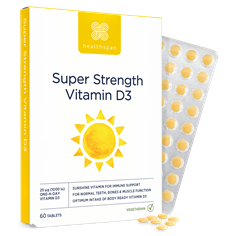
Vitamin D supports healthy bones and muscles. The HSE’s winter supplement advice for Ireland depends on your age and circumstances. Check its guidance or ask your pharmacist what suits you if you already take a supplement containing vitamin D.5 Our vitamin D guide explains food sources and why winter matters.
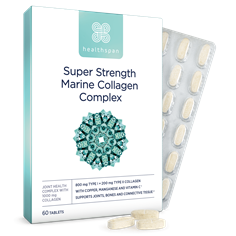
If you’re comparing supplements, browse the Healthspan Ireland Joints & Bones range and compare ingredients and daily serving sizes. Ask a pharmacist about suitability if you take medicines, and continue any treatment agreed with your healthcare team.
When to get joint pain checked
Talk to your GP if pain keeps coming back, is getting worse or interferes with sleep or everyday tasks. A physiotherapist can help you adapt your activity if joint pain makes movement difficult.3
Contact your GP or the GP out-of-hours service urgently if a joint suddenly becomes very painful, hot and swollen, especially if you have a fever or feel unwell.6, 7
Winter joint pain FAQs
Does cold weather cause arthritis?
Cold weather has not been shown to cause arthritis. The studies discussed here looked at whether changes in weather were linked to symptoms in people with joint or other long-term pain.1, 2
Is damp weather worse for joints than cold weather?
In one UK study, higher humidity was linked with a small increase in pain, while temperature showed no clear link. A later review found no consistent link between humidity and episodes of pain for several conditions, so it’s hard to say which weather will feel worse for you.1, 2
Can low air pressure make joints ache?
Lower air pressure was linked with slightly more pain in the UK smartphone study. The later review found no consistent link for rheumatoid arthritis, knee pain or lower back pain. An air pressure reading alone tells you little about whether your joints will ache.1, 2
Should I exercise if my joints feel stiff in winter?
Gentle movement is a good place to start. During a flare-up, the HSE advises scaling back vigorous exercise and keeping up suitable low-impact activity where you can.3
Is heat or ice better for stiff joints?
Gentle warmth may feel better for stiffness. A cold pack may help with familiar swelling. Wrap either pack in a towel to protect your skin.4