











Winter illness isn't inevitable. From diet and exercise to vitamin D and vaccination, here are Dr Hilary Jones' 10 practical ways to support your health through autumn and winter.
🕒 4 min read
Autumn and winter bring colder weather and increased circulation of seasonal respiratory viruses, including colds and flu. At best these can be inconvenient; at worst they can make some people seriously ill.
Don't worry – you don't have to spend winter feeling rubbish. Here are 10 ways to support your natural defences and give yourself the best chance of staying well as the cold weather comes.
Eat healthily
Eating plenty of fruit and vegetables, wholegrains, lean proteins and healthy fats provides the vitamins, minerals and other nutrients your body needs to support normal immune function.
Highly coloured vegetables such as bell peppers, carrots and green leafy vegetables, along with citrus fruits and berries, provide a wide range of nutrients. Vitamin C is found in foods such as peppers and citrus fruit, while zinc can be found in foods including meat, shellfish, dairy products, nuts and seeds.
Vitamin D is found naturally in a smaller number of foods, including oily fish and egg yolks, which is one reason supplementation becomes particularly relevant during an Irish winter.
Practise good hygiene
Cold weather itself can't give you a cold. Respiratory infections are caused by viruses and other microorganisms, so try to avoid close contact with people who are unwell where practical.
Wash your hands regularly with soap and water, cover coughs and sneezes with a tissue or your sleeve and dispose of used tissues promptly. Fresh air and ventilation can also be helpful in busy indoor environments.1
If you are unwell yourself, take care not to pass an infection on to others, particularly people who may be more vulnerable.
Get plenty of refreshing sleep
It's tempting to burn the candle at both ends during the festive season, but consistently getting too little sleep can leave you feeling run down. Good-quality restorative sleep is important for physical and mental wellbeing and supports the normal functioning of the body.
Daytime fatigue can also make healthy eating, exercise and other good habits more difficult to maintain, so prioritising sleep is well worth the effort.
Exercise regularly
Regular moderate exercise supports overall health and wellbeing, as well as helping to maintain cardiovascular fitness, muscles and a healthy body weight.
Physical activity can also support sleep and mental wellbeing and is something that should be enjoyed all year round – whatever the weather.

Vitamin D supports normal immunity, as well as muscles, bones and teeth. Dr Hilary Jones explains why it deserves particular attention during the darker months.
Find out more
Avoid excessive stress
Long periods of stress can affect both physical and mental wellbeing, so try to identify any causes of tension in your working or social life and learn to manage them appropriately.
Learning to meditate or practising deep relaxation exercises, together with spending more time outdoors in a calming natural environment, can help you switch off and unwind.
Dress for the weather
Cold, wet feet or hair cannot give you a cold, but keeping warm and comfortable makes sense when temperatures fall.
Cold and dry air can also irritate the nose and respiratory passages, so on especially cold days wrap up warmly and keep moving.
Don't sabotage your health
There are plenty of things we do that seem like a good idea at the time but can work against our long-term health.
Smoking is an obvious one, while excessive alcohol and regularly overindulging in ultra-processed foods and sugary drinks are worth avoiding too. Occasional treats are one thing; what matters most is what you do consistently over time.
Stay hydrated
It's easy to think less about hydration when the weather is cold, but your body still needs fluid throughout the day. Water, milk and other unsweetened drinks all contribute to your fluid intake.
Keep drinking regularly rather than waiting until you feel particularly thirsty.
Take appropriate supplements
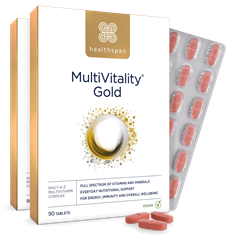
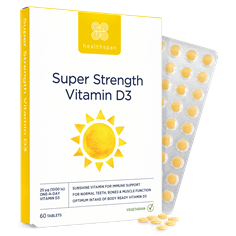
For people living in Ireland, vitamin D deserves particular attention during the darker months.
The Food Safety Authority of Ireland recommends that healthy teenagers and adults aged 12 to 65 with fair skin take a daily 15 µg vitamin D supplement from the end of October to March. People in this age group with darker skin, pregnant women and adults aged 65 and over are advised to take 15 µg throughout the year.2
Vitamin C contributes to the normal function of the immune system and helps protect cells from oxidative stress.
Vitamins B6 and B12 and folate also contribute to normal immune function, as does zinc.
There is also increasing interest in the relationship between the gut microbiome and general health. If you're considering a probiotic, remember that different products contain different strains and strengths, so they aren't all interchangeable. You can explore our probiotic range for more information.
Get your flu vaccine if recommended
Flu circulates every winter and, while many people recover without complications, it can cause serious illness, particularly in people who are more vulnerable.
Flu vaccination helps protect against flu and can reduce the risk of serious illness. The HSE recommends annual flu vaccination for people who are at increased risk of serious illness from flu and for other eligible groups. Eligibility and availability can vary between flu seasons, so check the latest HSE guidance or speak to your GP or pharmacist.3
If you are in one of the groups advised to have a flu vaccine, I would certainly recommend taking up the offer. Your GP or pharmacist can advise you about whether vaccination is appropriate for you.
The injected flu vaccine cannot give you flu. Children may be offered a nasal flu vaccine, depending on current HSE guidance and individual circumstances.3
These 10 simple steps are well worth adopting if you wish to stay well this autumn and winter. Exposure to infections is sometimes unavoidable, but surely it's worth giving yourself the best chance of staying fighting fit?

.png)