








We all know that high blood pressure is bad, but have you ever wondered what that actually means? We explain all about BP, how it's measured, what your numbers mean, and more.
🕒 5 min read
Your blood pressure (BP) is created by the heart pumping blood around a 'closed system' of blood vessels. Blood pressure naturally varies throughout the day and night, going up and down in response to factors such as your emotions, level of activity and hormone and electrolyte changes.
In Ireland, up to half of men and a third of women have high blood pressure, known medically as hypertension.
How blood pressure is measured
The pressure within your circulation was originally measured against the weight of mercury (Hg) it could support within a long, thin, glass tube.
The length of the column was measured in millimetres (mm) and the pressures recorded in units known as millimetres of mercury (mmHg). These units, which date back to the eighteenth century, are still in use today.
Two blood pressure readings are taken:
- Systolic pressure: the highest measurement occurs when your heart contracts to push blood around the circulation.
- Diastolic pressure: the lowest measurement is the background pressure in your circulation when your heart rests between beats.
Assessing your blood pressure
Blood pressure is most usually measured with the aid of a cuff placed around your arm or wrist. It's important that the cuff is positioned level with your heart to get an accurate reading.
The cuff is then rapidly inflated to a pressure that is high enough to temporarily stop the flow of blood in the underlying arteries.
The pressure is then slowly deflated until blood starts to flow again. This creates a distinct tapping noise (Korotkoff sound) and the pressure at which this noise is first detected is taken as the highest pressure – your systolic blood pressure.
As pressure in the cuff continues to fall, the tapping sounds change to a dull whooshing due to turbulence, while the cuff continues to constrict blood flow.
The pressure at which this whooshing suddenly stops marks the point at which the pressure in your arteries and the cuff is identical, and this is recorded as your diastolic blood pressure.
By convention, your systolic blood pressure reading is written over your diastolic blood pressure reading (e.g. 120/80 mmHg) and is described as, for example, 'one twenty over seventy'.
What should my blood pressure be?
An ideal blood pressure is one that is below 120/80 mmHg and above 90/60 mmHg.
What is high blood pressure?
In Ireland, high blood pressure, or hypertension, is diagnosed when your BP is consistently greater than 140/90 mmHg. This is confirmed using a wearable monitor to record measurements at regular intervals during your normal daily activities and sleep (ambulatory blood pressure monitoring).
In some countries, such as the US, a different cut-off is used, so that hypertension is diagnosed when your blood pressure is consistently greater than 130/80 mmHg.
What are the symptoms of high blood pressure?
Hypertension is described as a 'silent' disease, as it may produce few symptoms even when your blood pressure is dangerously high. If symptoms or signs of hypertension do appear, they tend to be non-specific, such as:
- tension headache
- feeling dizzy
- visual disturbances
- throbbing sensations (e.g. around the teeth)
- frequent nose bleeds
- having to pass water at night
- broken blood vessel in the white of the eye
These symptoms are not necessarily due to high blood pressure, but if they do occur, it's important to see your doctor for a check-up.
What can happen if blood pressure is too high
Having untreated high blood pressure damages artery walls and hastens hardening and furring up of the arteries.
This raises your blood pressure even more and increases your risk of heart rhythm abnormalities (atrial fibrillation), heart attack, heart failure, peripheral arterial disease, aortic aneurysm, stroke and vascular dementia.
Damage to other blood vessels also increases the risk of conditions such as chronic kidney disease, eye problems and male erectile dysfunction.
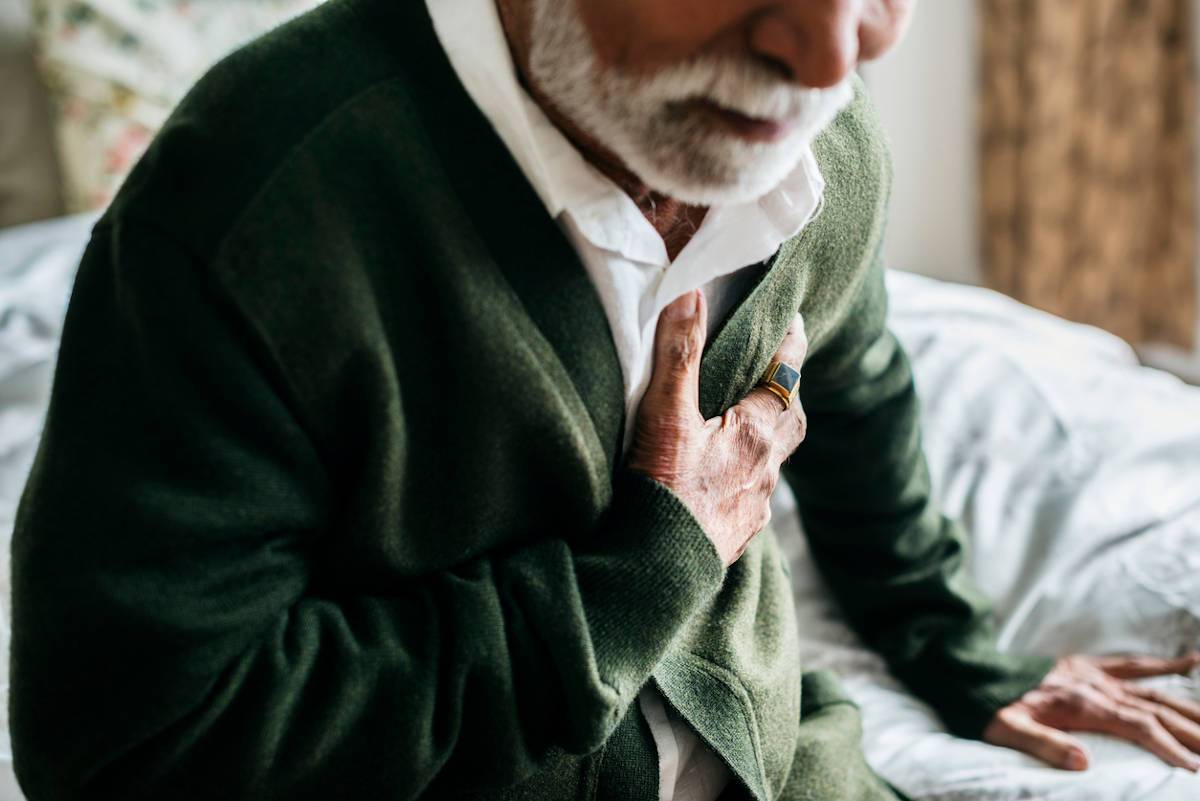
Untreated high blood pressure can lead to heart attack, heart failure, stroke and vascular dementia, among other problems.
What causes high blood pressure?
Blood pressure naturally tends to rise with age as your arteries become more stiff and less elastic. The genes you have inherited and lifestyle factors such as smoking, alcohol intake, diet, level of exercise, long-term stress and being overweight or obese can also affect your blood pressure.
For nine out of 10 people with high blood pressure there is no obvious single underling cause, and this is referred to as 'primary hypertension'.
For one in 10 people, there is an identifiable underlying cause such as kidney problems, hormone imbalance or taking certain drugs known to affect blood pressure.
What BP should be by age group
Systolic blood pressure rises with age but after around the age of 50 years, diastolic blood pressure tends to fall.
In your 20s, your BP may be around 115/70 mmHg, for example, but by the age of 50, average blood pressure is around 135/85 mmHg.
By the age of 60 it tends to rise to around 140/80 mmHg and by the age of 70 is 145/75 mmHg.
Everyone is different, however, and some people may have high blood pressure in their youth, while others may maintain good blood pressure readings throughout later life.
The only way to know is to have regular checks – ideally at least once every year or two, or as often as your doctor recommends.
How to lower a high blood pressure
If your blood pressure is raised, your doctor will recommend diet and lifestyle changes to help bring it down.
Follow a Mediterranean-style diet known as the DASH Dietary Approach to Stopping Hypertension). This way of eating is high in fruit, vegetables, nuts, garlic, low-fat dairy products and supplies protein in the form of fish, chicken and beans rather than red meat.
Reduce salt intake by not adding it during cooking or at the table. This is because salt can contribute to water retention, which raises blood pressure in some people. Additionally, cut back on caffeine intake, as caffeine can raise blood pressure.
Exercise for at least 30 to 60 minutes on most days – brisk walking, cycling, swimming, gardening or dancing are all good ways to increase your fitness, which helps lower BP.
If you smoke, do your utmost to stop, as chemicals found in tobacco raised blood pressure and damage artery linings. Keep alcohol intake without recommended levels – in particular, binge-drinking raises blood pressure.
Supplements to lower blood pressure
A number of supplements can help to lower blood pressure. For example, DHA and EPA – the long-chain omega 3s found in fish oil and marine algae extracts – contribute to the maintenance of normal blood pressure. Read about the Best Supplements for Blood Pressure.
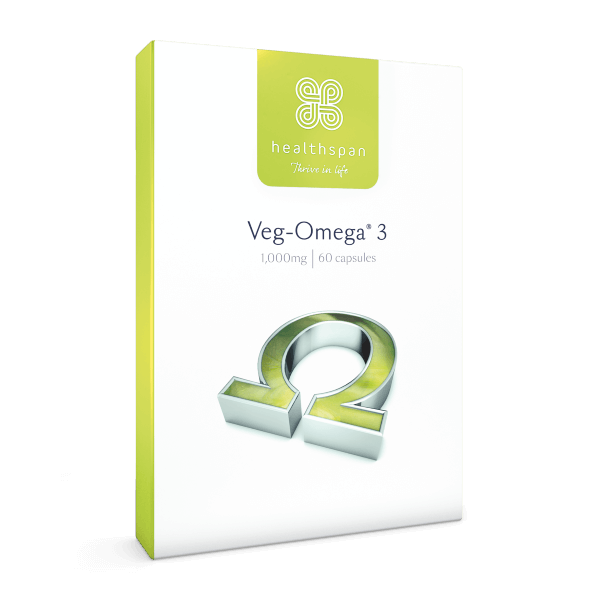
Veg-Omega 3
High-strength fatty acids, no fish
- Sustainably sourced vegan omega 3
- High levels of essential fatty acids
- Supports brain, heart and eye health