











We know we need to protect our eyes from UV light in the summer, but how should we look after our eye health during the winter months?
Winter sunshine
This might not be a huge problem at home in Ireland, but if you are heading abroad to go skiing or snowboarding, the UV light can be eight times stronger because of the way it reflects off the snow and ice. This also means that it can hit your eyes from below as well as above.
Exposure to sunlight can potentially damage parts of the eye, increasing your long-term risk of conditions like cataracts and age-related macular degeneration (AMD). The Irish College of Ophthalmologists says that people with light-coloured eyes are more at risk, but whatever your eye colour, always wear sunglasses or goggles specifically designed to help protect your eyes during winter sports, and consider a visor, too.1
Less exercise
During the winter, the lure of a box set can easily win out over a workout or walk, but it's important that your exercise regime doesn't fall by the wayside.
An inactive lifestyle can be a factor in several eye conditions, particularly for the over-60s. Doing some physical activity (try a brisk walk daily) can help reduce the risk of sight loss caused by high blood pressure and diabetes.
More screen time
If you are using a screen all day at work and then coming home to more screen time, your eyes can feel the strain.
Research shows that we blink less when using a computer, close reading or watching any sort of blue screen, from a tablet to the television. A reduction in blinking means a decrease in tear production, leaving your eyes feeling scratchy and dry.
The Irish College of Ophthalmologists recommends that you look away from the screen every 20 minutes for 20 seconds to give your eye muscles a break.2

Most of us spend more time looking at screens during the winter, but this can have a negative effect on our eye health.
Central heating
During the winter months, most of us rely on central heating to keep warm, but sitting in a centrally heated room all day (and very probably staring at a screen at the same time) puts you more at risk of dry and itchy eyes.
Eye specialists recommend lowering the temperature where possible, opening the windows for a few minutes on cold days, and drinking plenty of fluids to help stop your eyes drying out.
Long dark nights
Driving is made more difficult during the winter thanks to the longer winter nights and dark mornings. Our pupils dilate in darkness in order to take in more light, but a dilated pupil reduces the ability to change focus between near and far objects, decreasing your depth of vision and making things look blurrier.
Furthermore, as we get older the muscles in the iris that control the size of the pupil do not respond as well to light changes, which means you see less well in the dark after being in the light.
The advice is to be extra vigilant when driving in darkness, and to reduce your speed.
It's also worth taking some extra time to clean the windscreen of your car, inside and out. A dirty windscreen can scatter the light of incoming headlights and intensify glare.
During the day, the glare of sunlight on icy roads can also impair your vision, so keep sunglasses in the car in case you need them.
Colds and 'flu
Aside from the usual cold or 'flu symptoms, like a headache, sore throat and sneezing, your eyes can become watery and feel sore, itchy and irritated. They might also look red and inflamed.
Firstly, resist the urge to rub your eyes. Instead, splash them with cold water or apply a cold compress over closed eyes for a couple of minutes. Use a flannel soaked in cold water or try steeping two camomile tea bags, then cool them in the refrigerator. Alternatively, eye drops can also work well.
Research has shown that omega 3 can help reduce inflammation and dry eyes, so it's worth upping your intake of omega-3 foods like oily fish, flaxseeds, chia seeds, eggs and walnuts, or taking a supplement.3 In addition, keep well hydrated with plenty of fluids like herbal tea or warm water with honey and lemon.
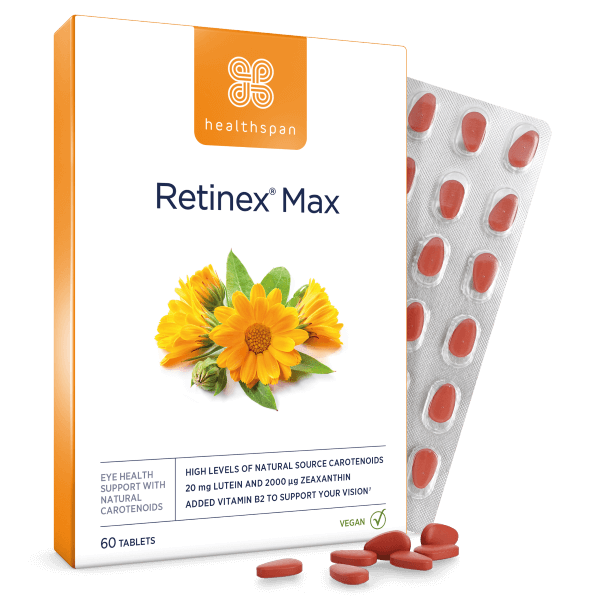
Retinex Max
'Nature's sunglasses' containing lutein and zeaxanthin
- Contains 20mg lutein and 2,000mcg zeaxanthin
- Powerful carotenoids found in high concentrations in the eye
- Supports long-term eye health
Less fruit and vegetables
Many of us find it easier to consume more fruit and vegetables in the summer months, but it's extremely important during winter, too, even when we're craving starchy comfort food.
Fruit and vegetables contain essential nutrients for eye health, including the antioxidants lutein and zeaxanthin. These have been shown to act like 'nature's sunglasses'4 and even help slow the progression of some degenerative eye conditions like AMD.5
These yellow and orange pigments are found in high concentrations in the eye, particularly the macula (the small central portion of the retina) and also in orange-yellow fruits and vegetables and leafy greens (including corn, squash, orange and yellow peppers, carrots, mango, honeydew melon and kale). Egg yolks and sweetcorn are good sources of both nutrients, and you can find lutein and zeaxanthin in supplement form.